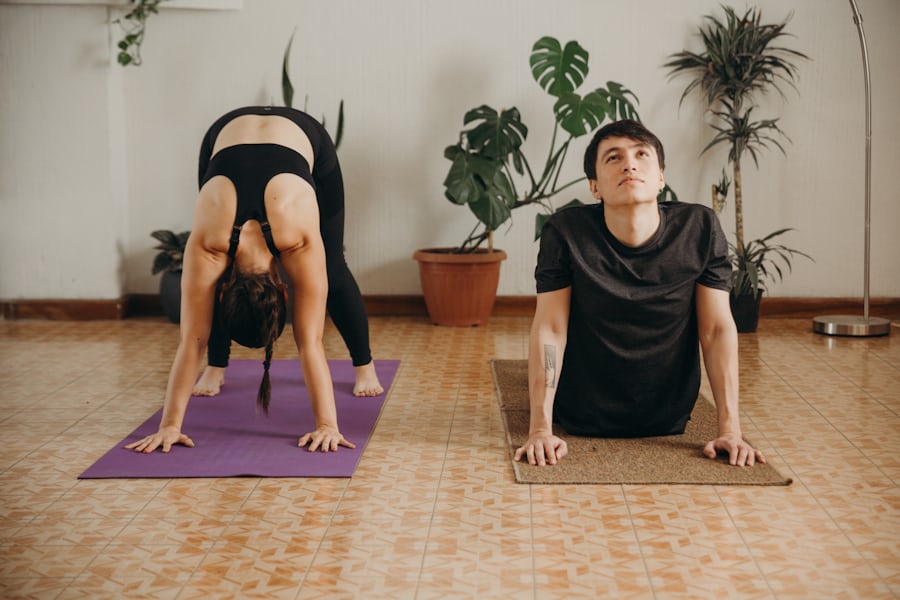

Active recovery refers to low-intensity movement performed between hard training sessions. Unlike passive rest (complete inactivity), active recovery enhances blood lactate clearance, reduces delayed onset muscle soreness (DOMS), maintains neuromuscular readiness, and has been shown to improve subsequent session performance compared to complete rest days.
Why Passive Rest Is Often Sub-Optimal
Following a high-intensity session, the muscles and connective tissue are in a state of acute inflammation. This is a normal and necessary adaptation signal. However, inactivity allows inflammatory metabolites to pool in tissues and reduces the rate at which glycogen is resynthesized. Light movement at Zone 1 heart rate accelerates this clearance without adding meaningful training stress.
Evidence-Based Active Recovery Modalities
- Zone 1 cardiovascular work (30–45 min): walking, easy cycling, or swimming at <60% HRmax
- Yoga and controlled breathing: activates the parasympathetic nervous system, reducing cortisol
- Swimming or pool walking: hydrostatic pressure reduces peripheral swelling and edema
- Soft tissue work: foam rolling and targeted massage at low to moderate pressure
- Contrast bathing: alternating hot/cold immersion reduces DOMS and perceived fatigue
Training is a stimulus. Rest is where the adaptation happens. Active recovery is the bridge between the two.
Jordan Walsh, Wellness Coach

Active recovery is not a bonus for high performers only. If you are training 3+ times per week, active recovery days are not optional. They determine whether your training load is absorbed or accumulated into fatigue.
Restore and Rebuild at movix
Our Restorative Flow program is purpose-built for active recovery — nervous system reset, mobility, and breath work in one session.
VIEW RESTORATIVE FLOW